
Almond Orchard Irrigation Schedule: A Month-by-Month Watering Checklist
A practical month-by-month almond orchard irrigation checklist, with clear guidance on reading soil moisture, adjusting for weather, and matching water to tree age.
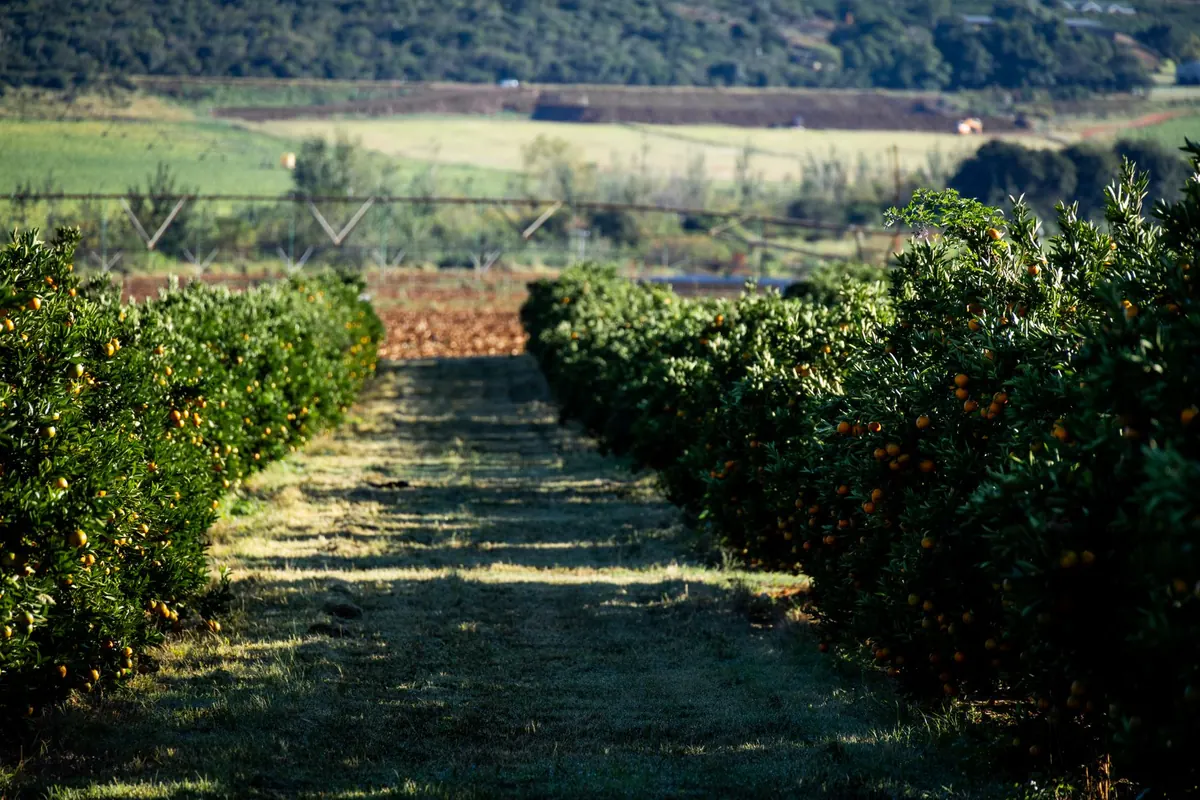
Irrigation in an almond orchard is less a fixed timetable than a conversation with the ground. The calendar gives you a useful rhythm—dormancy, bloom, kernel fill, harvest—but the water itself has to answer to soil texture, heat, wind, rainfall, and the age of the trees. Use the schedule below as a framework, then let the orchard tell you when to stretch an interval or shorten it.
Read the Orchard Before You Open a Valve
Before any irrigation decision, walk the rows with a trowel or soil auger. Push it into the root zone, about 6 to 12 inches down for mature trees and shallower for young plantings, and squeeze a handful of soil. If it holds together like a damp sponge, you have moisture. If it crumbles and dusts your palm, the orchard is dry. If water seeps from your fist or the soil smells sour, you are probably too wet—wait, aerate if needed, and check drainage before adding more.
This simple check matters more than a rigid “water every Tuesday” habit. Almond roots need air as much as water. Short, frequent pulses on a slow-infiltrating clay soil can leave the root zone saturated while the surface looks dry. A long soak on sandy ground can push water below the roots before the tree has time to use it. Look at the emitters or micro-sprinklers, too: a clogged head, a broken line, or a pressure drop at the end of a block can create a dry pocket that the calendar will never reveal.
The Month-by-Month Watering Checklist
Treat these notes as a default pattern for a mature, bearing orchard in a Mediterranean-style climate. Shift the dates to match your local bloom, harvest, and rainfall.
January–February: Dormancy
In most years, winter rain does the work. Irrigate only if the soil is dry below the surface and no meaningful rain is forecast. The goal is to prevent severe drying, not to keep the orchard constantly wet. This is also the best time to repair lines, clean filters, and check emitters before the demand season begins.
March–April: Bloom and Early Growth
As bloom arrives and new shoots push, keep moisture even but avoid heavy, cold pulses that leave the root zone waterlogged. If rain is scarce, water early in the day and let the surface dry before evening. Young trees and newly planted orchards need more attention here than mature trees, because their root systems are still small.
May–June: Kernel Fill and Peak Demand
This is usually the heaviest water-use period. Days are longer, winds pick up, and the canopy is full. Irrigate deeply and less often where soil allows, so water reaches the active roots without running off. Watch the forecast: a hot, windy week can dry the soil quickly, while a cool, cloudy spell may let you stretch the interval by a few days.
July–August: Hull Split, Harvest, and Dry-Down
As hull split approaches, many growers begin tapering water to help the orchard floor dry for harvest. Taper, do not crash the trees into severe stress. Keep an eye on soil moisture and tree condition. During harvest, water is usually held off to keep equipment traffic from compacting wet ground and to let the nuts dry properly. Once harvest is finished, resume irrigation without delay.
September–October: Post-Harvest Recovery
After harvest, the tree is not finished. It is building reserves and setting the flower buds that will bloom next year. If the soil is dry and rain is sparse, irrigate to support that recovery. This is often a period when growers underestimate demand because the nuts are off the tree and the weather is softening.
November–December: Dormancy Again
Return to a winter mindset: water only when the soil profile is dry and rainfall is not expected. Avoid working or irrigating saturated ground. Use the quieter months to map wet and dry spots, replace tired emitters, and note which blocks consistently dry out first.
Adjusting for Soil, Weather, and Tree Age
The same calendar can mean very different run times across an orchard. Adjust with these practical rules:
- Sandy soil: holds less water, so use smaller, more frequent applications and check the root zone often.
- Clay soil: takes water slowly and holds it longer. Irrigate in longer, gentler sets and avoid runoff; do not water again until the root zone has had time to drain.
- Hot, windy weather: increase frequency or run time, especially on exposed blocks and young trees.
- Cool, cloudy, or rainy weather: skip or shorten a set. Do not irrigate by habit just because it is your usual day.
- Young trees: their roots are shallow and limited. They often need small, frequent applications to keep the root ball moist without drowning it.
- Mature trees: deeper roots allow longer intervals, but the soil still needs a proper wetting front, not a light surface sprinkle.
Mulch around young trees, maintain cover crops where appropriate, and keep the irrigation system tuned. These are small management choices that make the monthly schedule easier to follow.
A Simple Weekly Routine
- Walk a few representative rows and check soil by hand at root depth.
- Look for leaks, clogged emitters, dry corners, and runoff.
- Compare the forecast with the last irrigation date and any rainfall.
- Run the system long enough to wet the root zone, then let the surface dry before the next set.
- Write down what you did: date, block, run time, rainfall, and soil feel.
That five-step routine takes less time than repairing a stressed block later. It also turns your irrigation schedule into a record you can learn from season to season.
Signs You Are Off Track
Drooping shoot tips in the heat of the afternoon are not always a crisis; some midday wilt is normal. But leaves that stay dull and folded into the evening, cracked soil pulling away from emitters, or dry soil at root depth after a scheduled set are signals to adjust. On the other side, standing water, moss, sour-smelling soil, and runoff down the furrows mean you are pushing water faster than the ground can take it. Fix the application rate before you add more hours.
Practical Closing: Keep Notes, Not Just Dates
A calendar is a starting point, not a substitute for observation. The best irrigation schedule for your orchard is the one you refine with soil checks, weather notes, and a simple log. Record what you see, not only what you ran. After a season or two, your own notes will be more useful than any generic checklist—because they describe your soil, your trees, and your weather.
Water deeply when the root zone needs it, keep the system honest, and let the trees tell you when to adjust.
Photo: Magda Ehlers / Pexels